1. What's inside an atom?
Try firstOxygen has atomic number 8 and mass number 16. How many protons, neutrons and electrons does a neutral oxygen atom have?
Check your answer
8 protons, 8 neutrons (16 − 8), 8 electrons.
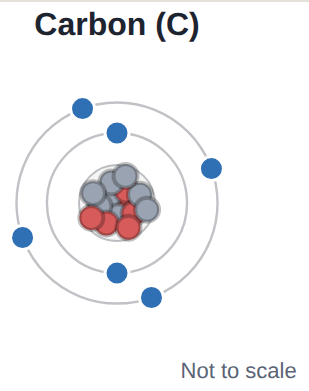
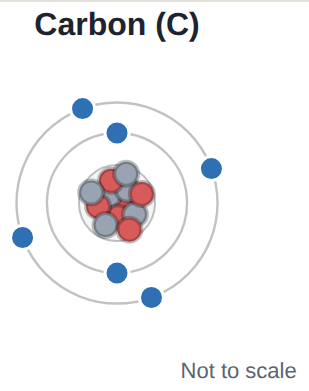
An atom has a tiny, dense nucleus of protons (+1, mass 1) and neutrons (0, mass 1), with electrons (−1, almost no mass) around it.
Atomic number = protons, and it decides the element. Mass number = protons + neutrons. A neutral atom has as many electrons as protons.
Revision summary
- An atom has a tiny, dense nucleus of protons (charge +1, mass 1) and neutrons (no charge, mass 1), with electrons (charge −1, mass about 1/1840) in shells around it.
- Atomic number = protons; it decides the element. Mass number = protons + neutrons.
- A neutral atom has as many electrons as protons. An ion has gained or lost electrons.
- The nuclear model replaced earlier models because of evidence, such as Rutherford's gold foil experiment.
Still stuck? Try the lesson again first. Then, if your teacher has said you can, copy a coach prompt into the AI tool your school allows. It asks you questions; it won't give you the answers.