terminating and recurring
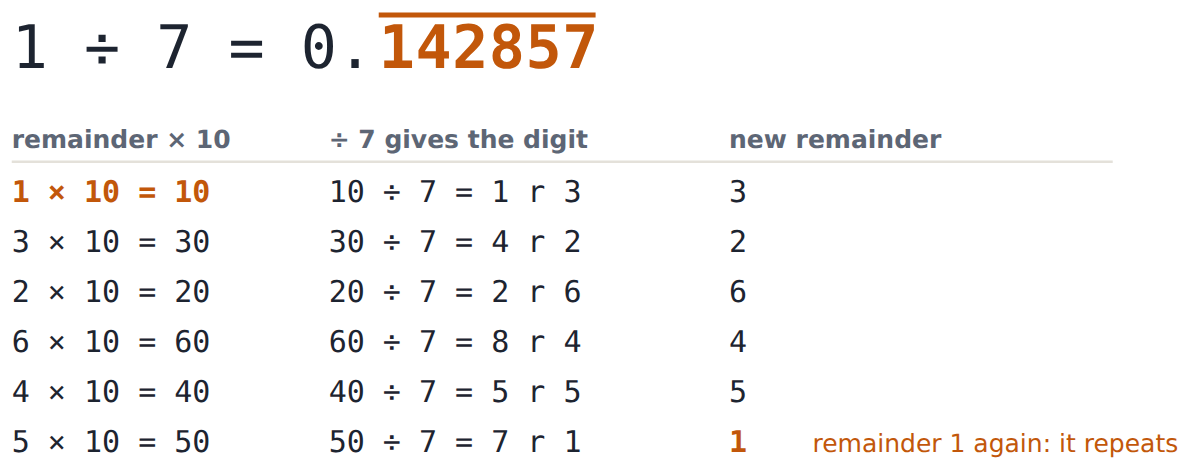
In long division a remainder of 0 means the decimal stops; a remainder that comes back means the digits repeat. A bar (or dots) marks the repeating block.
Year 8 Number · The words and methods from the lessons, with an example of each.
In long division a remainder of 0 means the decimal stops; a remainder that comes back means the digits repeat. A bar (or dots) marks the repeating block.
Simplify first, then break the denominator into primes. Any prime other than 2 or 5 makes it recur, because 10 = 2 × 5.
Rational numbers are fractions: their decimals stop or repeat. Irrational numbers never stop and never repeat. √16 = 4 is rational.

Find the perfect squares either side, then square decimals to get closer. A rounded value is an approximation.
Write the powers out as factors to see why. Only powers of the same base combine.
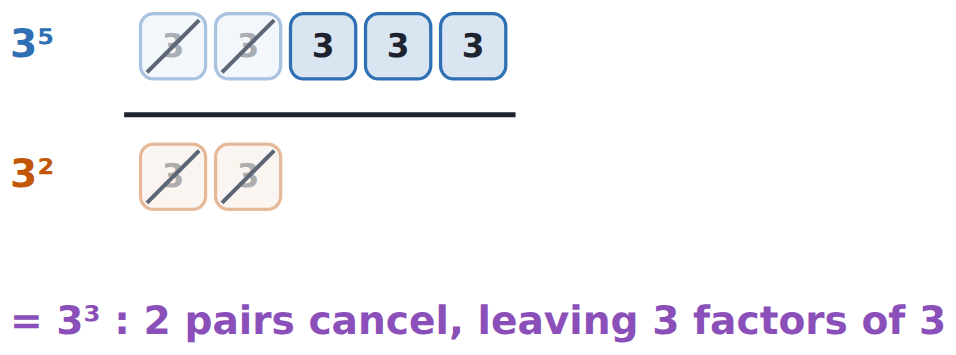
aⁿ ÷ aⁿ = 1, and the quotient law calls it a⁰.
Same signs give a positive, different signs a negative. On the line: jumps of ; a negative number of jumps goes the opposite way.
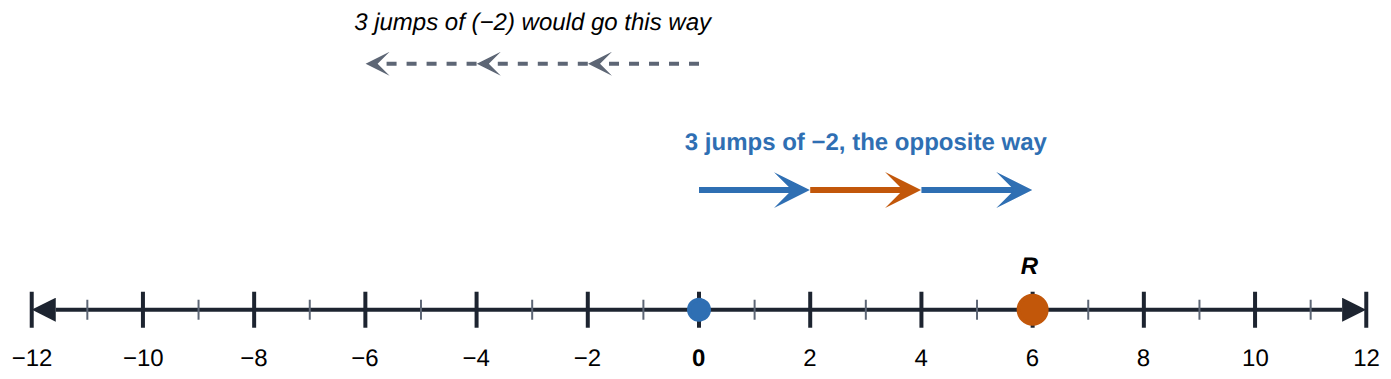
The same sign rule as multiplying, because dividing undoes it: check .
Split each unit into equal parts and count from zero. A negative counts left, and the part counts further from zero, not back towards it.

The integer sign rules hold for every fraction and decimal. Sign first, then size.
Multiply in any order, pairing friendly numbers; or split a number: .
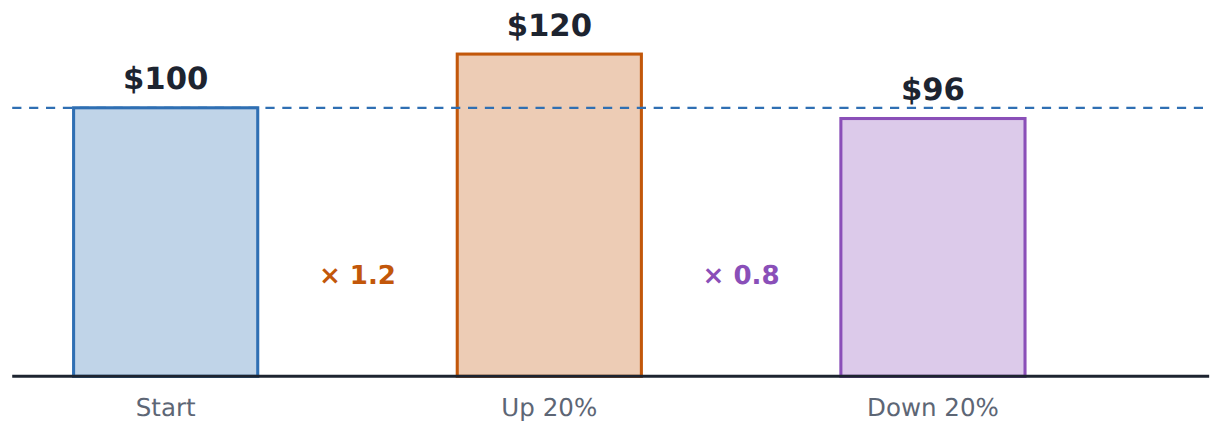
One change after another: multiply the multipliers. Up 20% then down 20% is × 0.96.
The marginal rate is the rate on the last dollar; the effective rate is total tax ÷ income.
Each percentage is of a different amount, so they cannot be added: 20% off then 10% off is not 30% off.